How to sustain naval excellence with the F‑100 frigates until the arrival of the next‑generation F‑110
The F‑100 frigates fleet is being upgraded through a mid‑life enhancement programme that integrates the technologies shaping the F-110 class
6 reading time

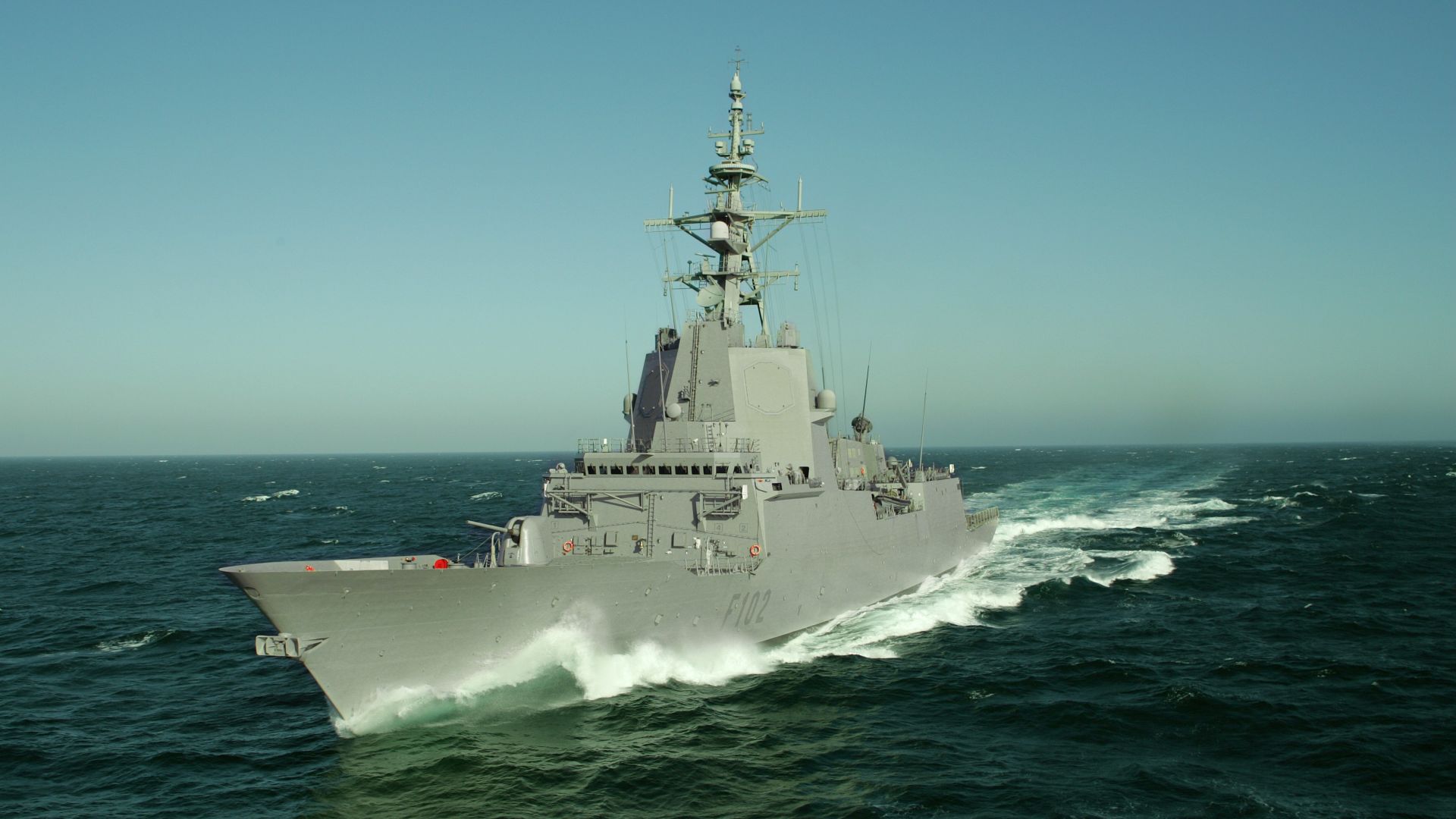
In the early 1990s, the Altamar Naval Plan was consolidated. Developed for the Spanish Navy Staff (EMA), it defined the typology and characteristics of the Navy’s surface fleet and identified the new F‑100 escort ships as a medium-term objective.
From the entry into service of the first of the F‑100 frigates (September 2002) to the present day, sufficient time has passed to understand that the current and future geopolitical context demands more versatile vessels. The growing complexity of operational theatres, combined with the need to incorporate new strategic technologies, calls for a careful balance between participation in international missions and the defence of national interests.
The F‑100 Álvaro de Bazán-class frigates have already surpassed more than half of their operational life. Consequently, in recent years a number of systems and items of equipment have been identified as obsolete — either because their operational performance has fallen behind evolving threats, or because they are nearing the end of their useful life from a maintenance perspective.
The renewal process has already begun within the framework of the Special Modernisation Programmes (PEM). These upgrades will be delivered by Indra, which will incorporate technologies developed for the new F‑110 Bonifaz-class frigates, whose first vessel is scheduled to enter service in 2028.
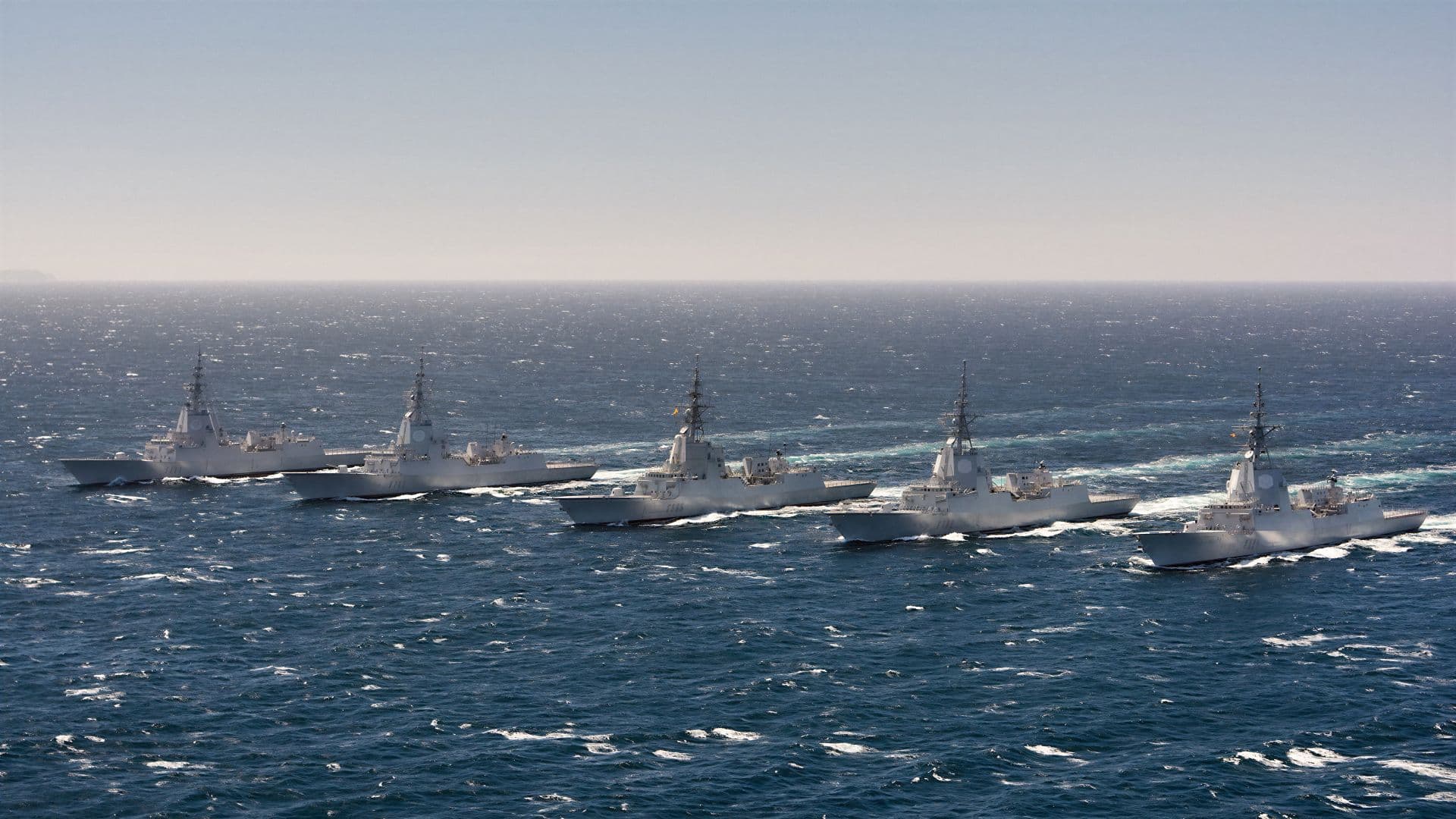
The aim of the programme is to extend the operational life of the five F‑100 frigates (F‑101 to F‑105) until 2045. This will address obsolescence issues, promote commonality with the F‑110 systems, and integrate new combat system technologies.
Which areas of the F‑100 frigates will be modernised?
The F‑100 frigates were pioneers in their time by integrating the AEGIS combat system, placing the Spanish Navy among the world’s technological naval elite. Accordingly, the modernisation plan includes a comprehensive upgrade of key areas such as:
- the combat system
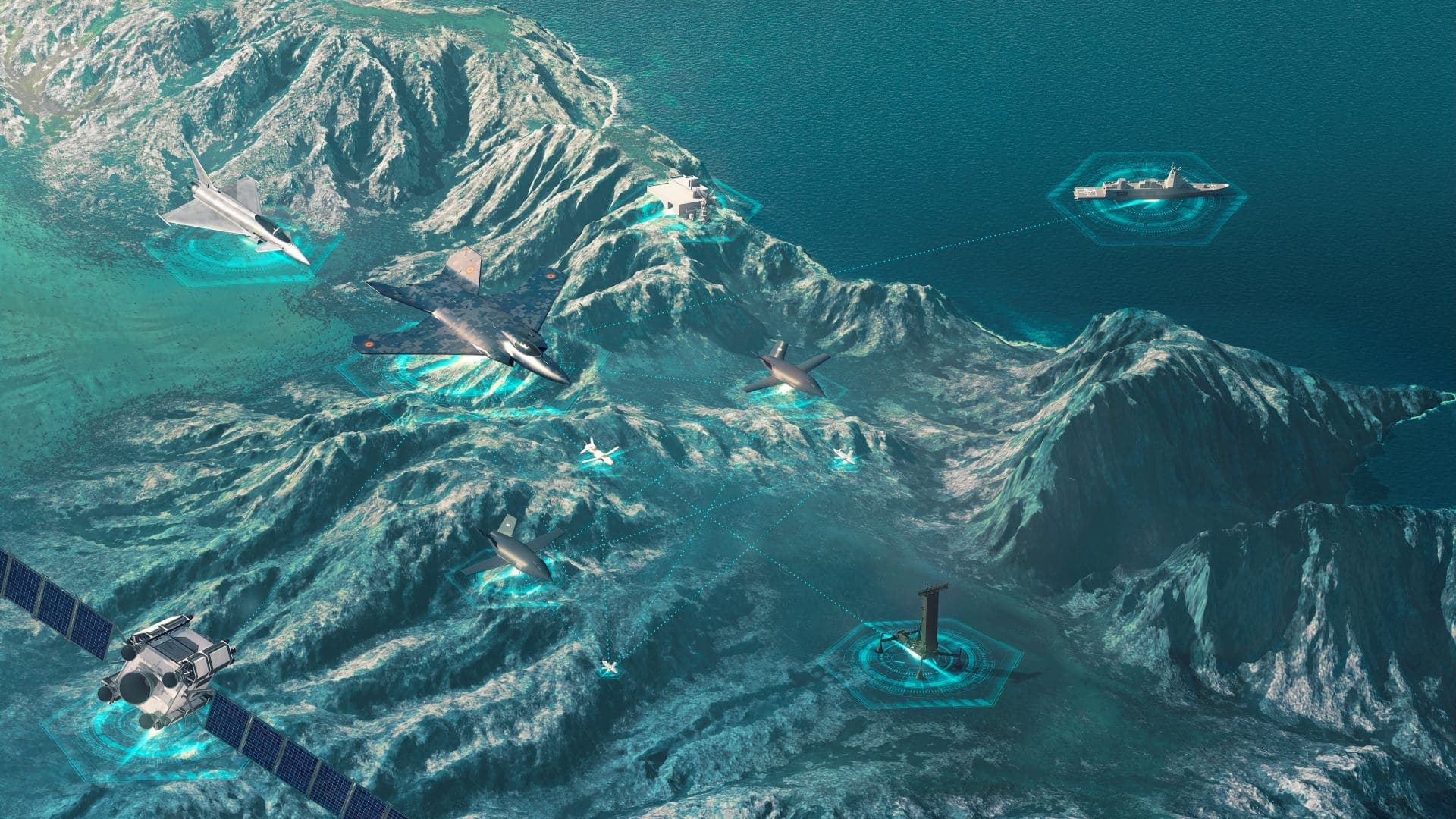
- the integration of unmanned vehicles
- cybersecurity
- counter‑drone defence
Indra contributes its extensive expertise in radar detection systems, radar‑band electronic warfare and communications, navigation radars and surface surveillance, as well as improvements to the navigation data distribution system.
One of the most critical areas will be the modernisation of the electronic warfare suite, which will also be complemented by the Régulus communications interception system. Indra had previously equipped the F‑100 frigates with the Aldebarán electronic warfare system, a pioneering solution at the time. The company will now deliver a new generation of systems capable of detecting, intercepting, analysing and identifying signals in highly complex littoral environments.
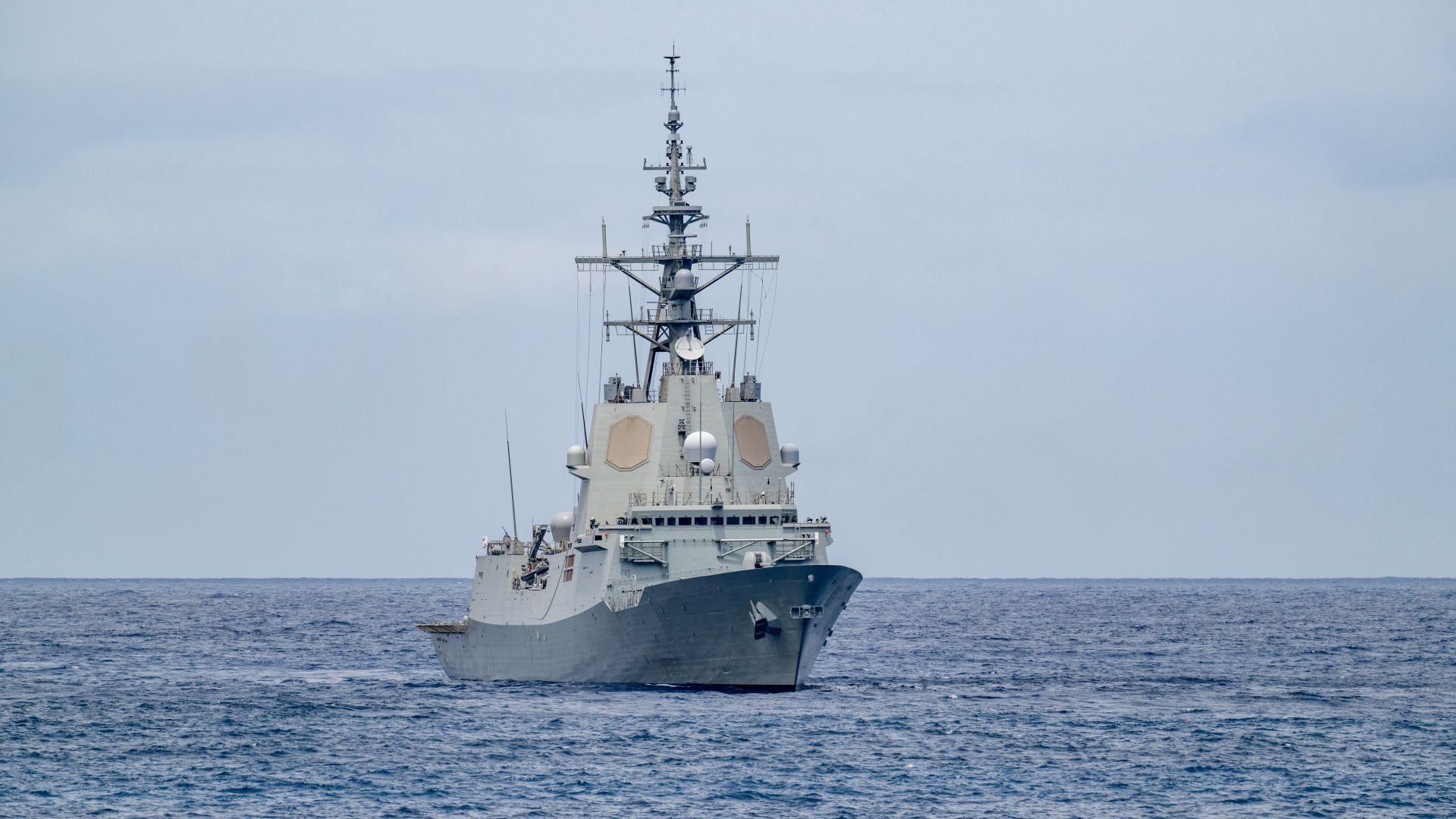
These systems will provide both Electronic Support Measures (ESM) and Electronic Countermeasures (ECM) against hostile radars. Upgrades will also be introduced across communications and sensor systems, including modernised satellite communications and the Identification Friend or Foe (IFF) system. New counter‑drone capabilities and the integration of aerial and naval unmanned vehicles are also envisaged.
For decades, we have excelled at maintaining co-developed or in‑house technologies. Leading their development and evolution is the result of understanding that technological sovereignty is built with precision — and, above all, with ambition. In this sector, trust must be earned, and seeing the Indra hallmark embedded in complex defence solutions reaffirms that talent has no limits when it dares to compete.
What is Indra’s role in the renewal of the F‑100 frigates?
Indra’s role extends beyond the upgrade and modernisation of these systems. The company is also involved in sustainment activities, providing comprehensive logistical support and full lifecycle assistance to the affected vessels.
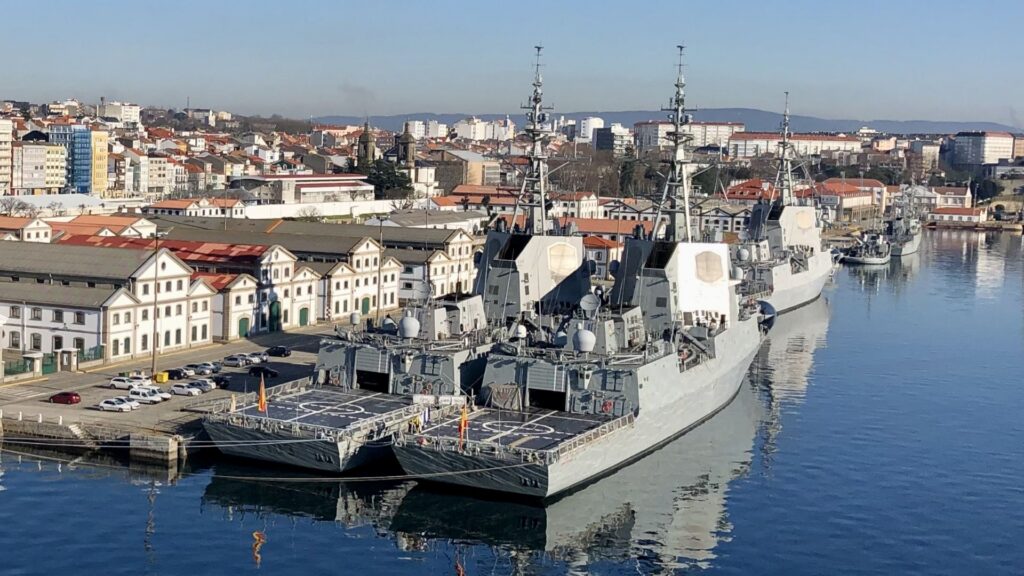
Indra Group brings more than two decades of experience supporting and collaborating with the Spanish Navy in the sustainment of the F‑100 frigates, based at the Ferrol Arsenal. The high level of specialisation and technical expertise of Indra’s In‑Service Support (ISS) personnel in Ferrol, together with laboratory teams at the Aranjuez facility, has enabled Indra to act as an integral maintainer, delivering significant savings in both cost and time for the Navy.
More than 30 engineers and technicians work at Indra’s facilities in Ferrol on preventive and corrective maintenance of the main F‑100 systems. Their responsibilities include the upkeep of electronic warfare systems, primary and secondary radars, sonars, and navigation data distribution systems.
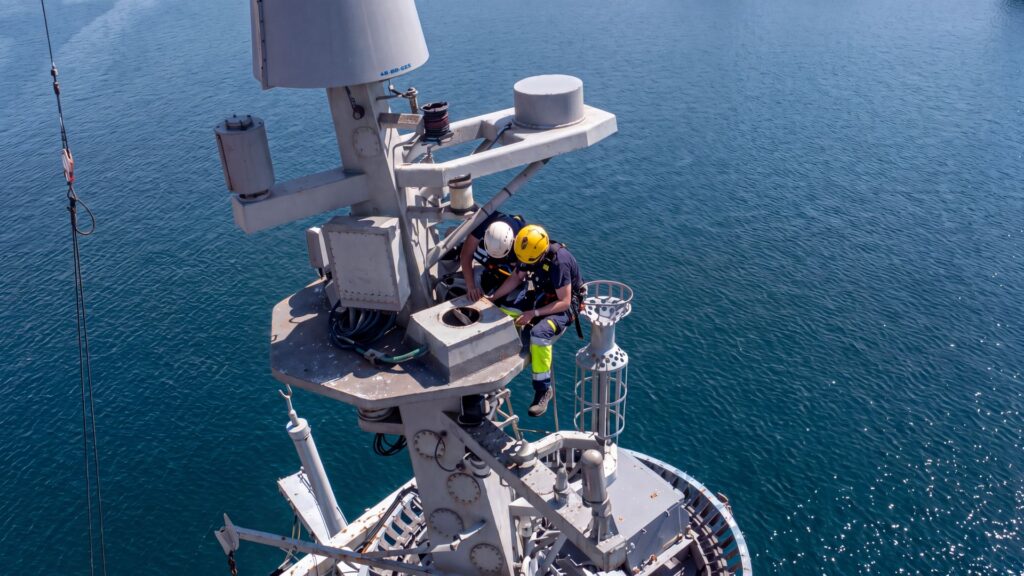
In addition, Indra’s personnel are the only specialists in Europe accredited by Lockheed Martin and the US Navy to carry out critical resurfacing operations on the AN/SPY‑1D MOD naval radar antennas — a key component of the AEGIS combat system.
All of this is delivered under a management model based on Framework Agreements, enabling activities such as:
- Preventive maintenance PIPs (inspections, overhauls and refurbishments)
- On-board corrective maintenance (on-site support and factory repair services)
- Permanent technical assistance services within the Combat System Sustainment Group (GSSC)
- Ongoing technical support at ETRF‑100 and the HUNTRON Station
What capabilities will the upgraded F‑100 frigates deliver?
In summary, once the mid-life upgrade (MLU) is fully implemented, the F‑100 frigates will rank among the most capable and robust defensive vessels in the fleet:
One of the most critical areas will be the modernisation of the electronic warfare suite, which will also be complemented by the Régulus communications interception system. Indra had previously equipped the F‑100 frigates with the Aldebarán electronic warfare system, a pioneering solution at the time. The company will now deliver a new generation of systems capable of detecting, intercepting, analysing and identifying signals in highly complex littoral environments.
| Capacidad | F-100 (original) | F-100 (MLU) | F-110 |
|---|---|---|---|
| Radar | SPY-1D | SPY-1D MOD With PESA arrays. Larger arrays with higher power provide greater detection ranges. DUAL BEAM radar, offering faster search performance and improved target processing, with increased capacity and sensitivity. | SPY-7 With AESA arrays. Smaller arrays with lower power result in shorter detection ranges. Solid state arrays with multi beam capability, enabling faster detection and higher sensitivity, particularly for the detection and tracking of small targets. |
| Anti-Air Warfare (AAW) | High capability | Full operational capacity F-101 a F-105 | Full operational capacity F-111 a F-115 |
| Ballistic Missile Defense system (BMD) | Low capability | Full operational capacity F-101 a F-105 | No capability |
| Integrated Air and Missile Defence (IAMD) | No capability | Full operational capacity F-101 a F-105 | No capability |
Maintaining relevance in international contexts
Through this programme, Indra has channelled its accumulated development, sustainment know‑how and operational experience into delivering systems with advanced functionalities tailored to the demanding requirements of the F‑100 frigates. This will enhance their ability to operate effectively across a wide range of challenging and hostile scenarios.
With their operational life extended to 2045, the F‑100 frigates will continue to play a key role in international missions and commitments, while reinforcing Spain’s strategic autonomy in the field of naval defence.