Radar technology in the service of knowledge and the protection of the space domain
Dependence on space-based services demands advanced capabilities to detect threats, protect critical assets and safeguard sovereignty
4 reading time

Satellites have become critical infrastructure for services such as communications, navigation, Earth observation and defence. However, the growing number of objects in orbit is also increasing the risks that can affect these systems. In addition, the increasing reliance on space systems makes these capabilities a potential target for hostile actors, reinforcing the importance of the security and defence dimension.
As a result, having radar technology, space surveillance and tracking capabilities has become a priority for governments and international organisations.
What are the risks and threats affecting space systems in LEO orbit?
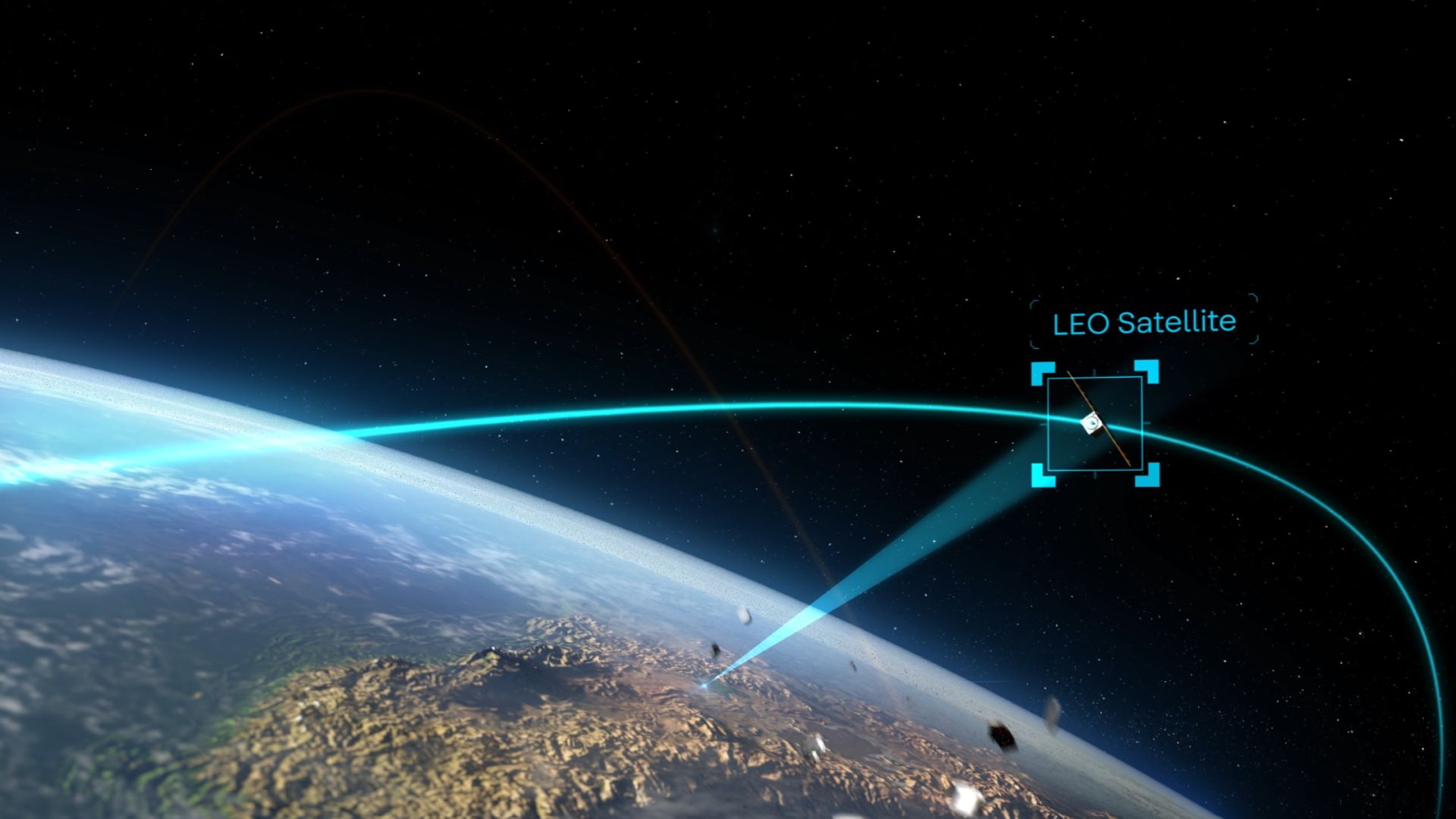
Low Earth Orbit (LEO), located between approximately 160 and 2,000 kilometres above Earth, hosts a large proportion of observation, communications, and commercial satellites. It is also the orbital region where most space debris accumulates.
These risks can directly affect essential societal services, from communications to navigation and Earth observation systems.
The main risks and threats are:
- Unintentional risks:
- Collisions with other operational satellites
- Impacts from space debris fragments
- Uncontrolled re-entries of space objects
- Effects of space weather, such as solar storms that can disrupt communications and electronic systems
- Threats:
- Anti-satellite (ASAT) weapons capable of destroying satellites through kinetic impact
- Electronic interference and jamming of space links
- Cyberattacks targeting space systems or ground segments
- Close-approach manoeuvres by potentially hostile satellites
Space Domain Awareness (SDA) makes it possible to identify, characterise and understand any element or activity that may affect space systems.
Why is Space Domain Awareness important?
Space Domain Awareness (SDA) makes it possible to identify, characterise and understand any element or activity that may affect space systems. Its purpose is to provide reliable information to anticipate risks and threats, while enabling rapid and well-informed decision-making.
Thanks to these capabilities, it is possible to:
- Detect and track space objects
- Predict collisions and re-entries
- Detect satellite break-ups
- Identify suspicious close-approach manoeuvres
- Protect critical space assets
- Support military operations
What is Indra Group’s role?
Indra is one of Europe’s leading players in the development of space surveillance and tracking capabilities, integrating advanced sensors and command-and-control systems capable of transforming space data into actionable information for decision-making. Its portfolio includes space surveillance radars, tracking radars, telescopes and the SpaceDef system, designed to provide an integrated Space Domain Awareness capability.
SpaceDef enables the fusion of data from multiple sources, the maintenance of space object catalogues, the generation of alerts, threat analysis and support for the operation of space surveillance centres, thereby contributing to the protection of national assets and strategic autonomy. This comprehensive approach covers the entire value chain, from the detection of space objects to the delivery of operational services and alerts.
Advantages and capabilities of the Space Surveillance and Tracking Radar
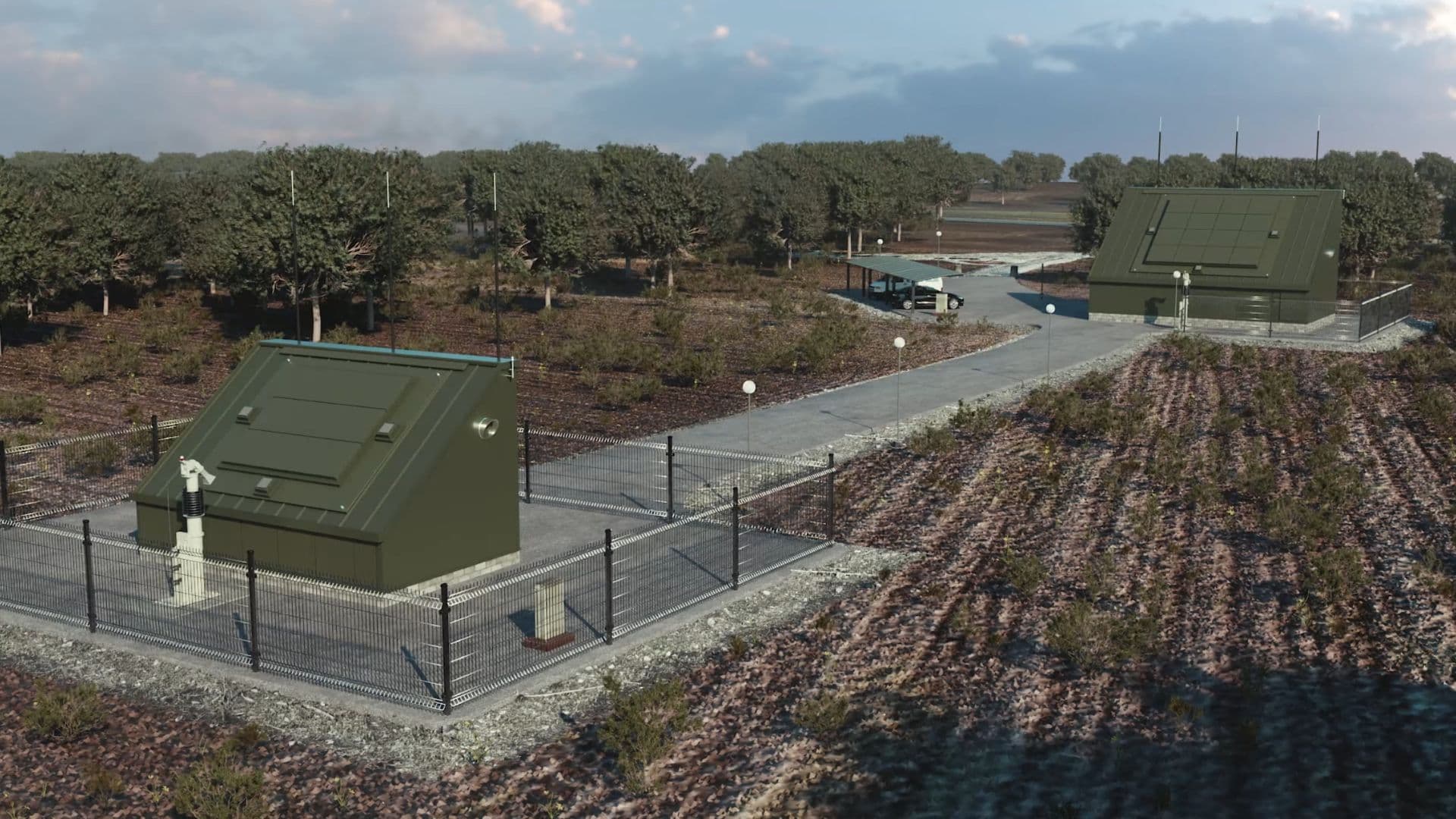
The surveillance radar developed by Indra has been designed to detect and track objects in Low Earth Orbit continuously. Its key capabilities include:
- Continuous 24/7 surveillance
- Simultaneous detection and tracking of multiple objects
- State-of-the-art AESA technology
- Scalable and modular architecture
- Capability to discover previously unknown objects
- Adaptability to different operational requirements
These features strengthen protection against both natural risks and deliberate threats, while also contributing to the generation and maintenance of sovereign space object catalogues.

How are different countries developing this capability?
Space Situational Awareness has become a strategic priority. The European Union promotes this capability through the EU SST consortium, while countries such as the United States, France, Germany and Spain continue to expand their networks of sensors and space operations centres in order to achieve the necessary Space Domain Awareness, which is critical for defence in the current geostrategic context. The common objective of these countries is to obtain independent and reliable information about what is happening in orbit in order to protect their space assets and guarantee the security of services that are becoming increasingly essential for society.
El objetivo común de estos países es disponer de información propia y fiable sobre lo que ocurre en órbita para proteger sus activos espaciales y garantizar la seguridad de servicios cada vez más esenciales para la sociedad.
Strategic autonomy is key to space awareness
In an increasingly congested, competitive and strategic space environment, possessing sovereign surveillance and tracking capabilities is essential to protect space assets and ensure national autonomy. Through solutions such as the Space Surveillance and Tracking Radar, associated telescopes and the SpaceDef system, Indra makes a decisive contribution to the development of Space Domain Awareness, providing the tools required to anticipate risks, detect threats and support decision-making in the fields of security and defence.
Indra Group is one of Europe’s leading players in the development of space surveillance and tracking capabilities, integrating advanced sensors and command-and-control systems capable of transforming space data into actionable information for decision-making.