Why are main battle tanks strategic in today’s warfare scenario?
Their armour, mobility, and firepower keep them as key assets
4 reading time

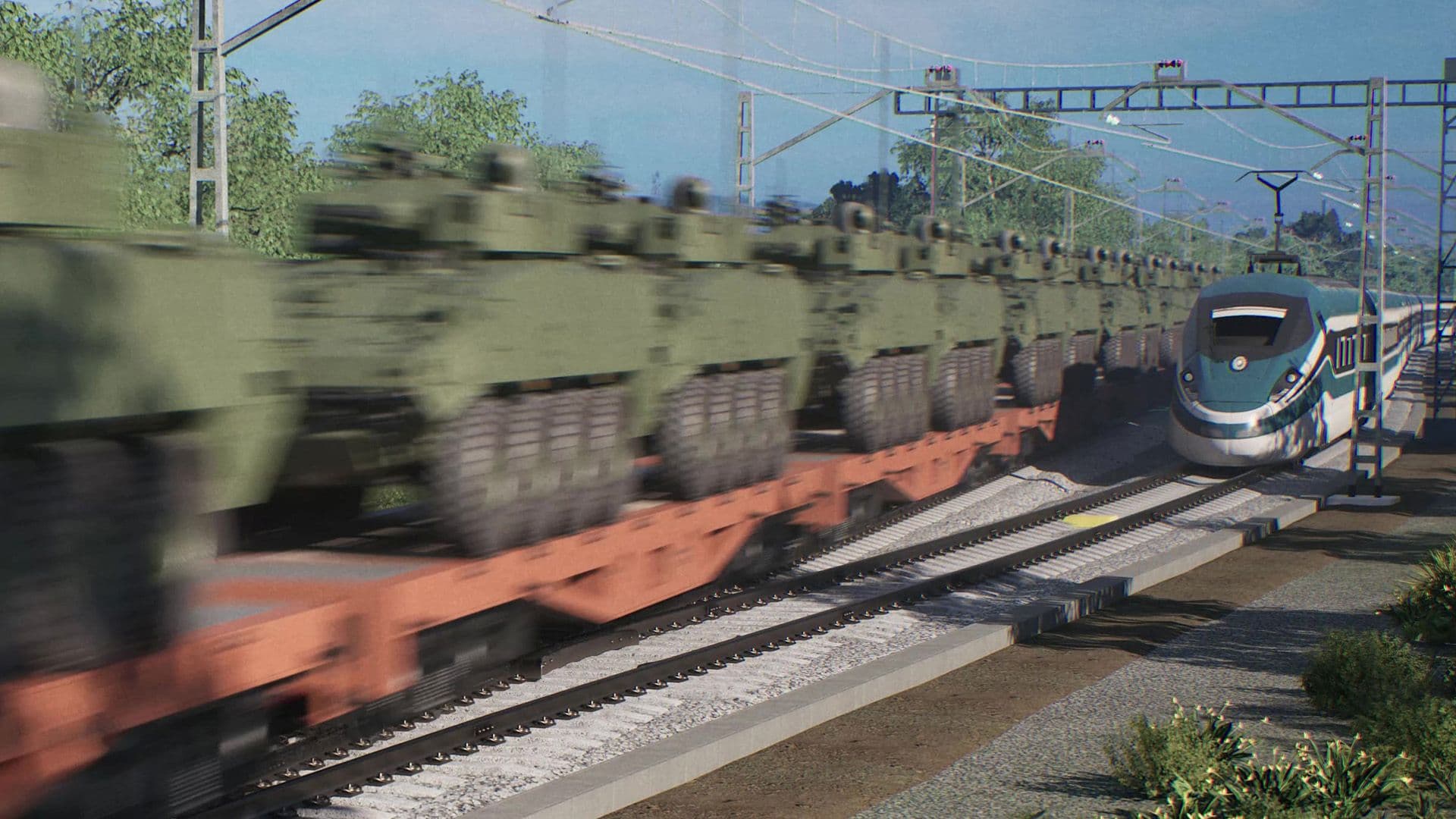
In a battlefield dominated by drones, guided missiles, and technologies capable of destroying in seconds armoured vehicles worth millions of euros, tanks continue to play a crucial role in modern warfare.
Their evolution from the First World War to the present day is the story of constant adaptation to new threats. And their current utility, as recent conflicts show, is far from negligible.
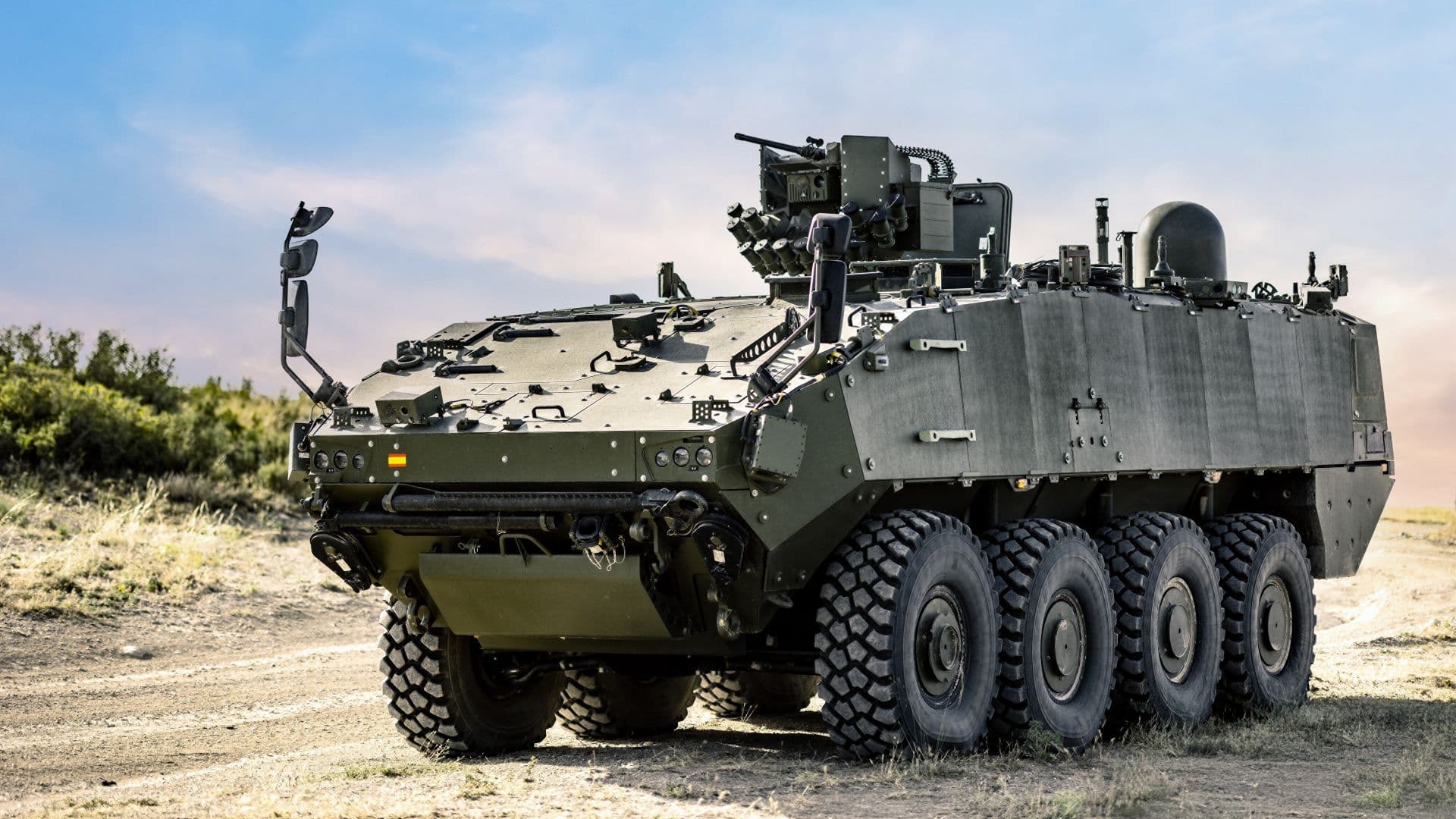
First, it is important to understand what we are talking about. A main battle tank is an armoured vehicle that is a cornerstone of military arsenals thanks to its ability to combine mobility and firepower effectively.
Initially, tanks emerged as a response to trench warfare during World War I. Artillery and machine guns made any attempt to advance on the battlefield highly dangerous and costly in human lives.
Since then, tanks have evolved by incorporating improvements in armour, weaponry, and technology. Iconic models such as the Renault FT-17, the M4 Sherman, the Panzer VI Tiger, and the Leopard 2 reflect their continued importance on the battlefield. We must not overlook Spain’s first indigenous tank development: the Trubia A4, inspired by the Renault FT-17.
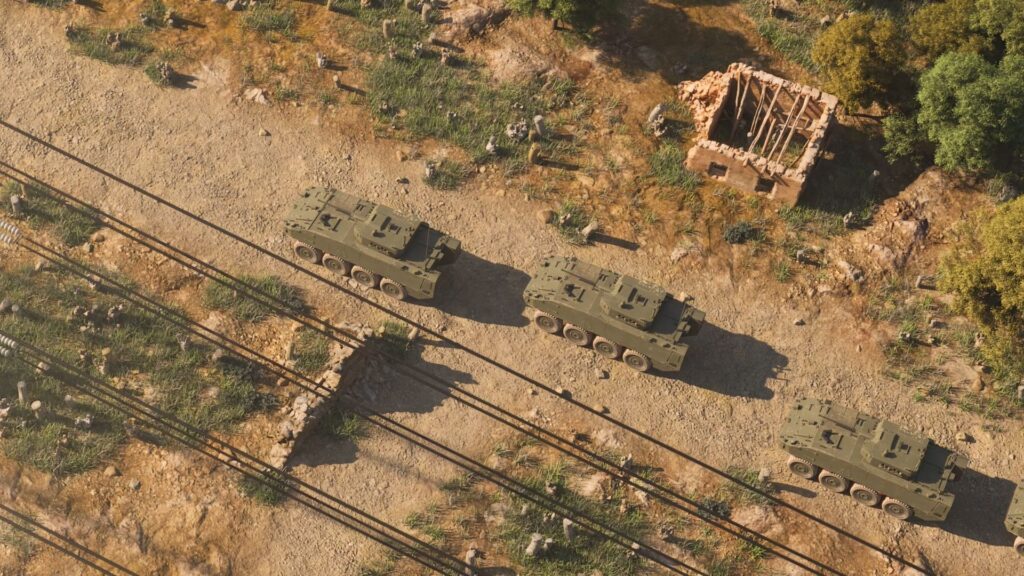
To confirm that tanks remain relevant, it is enough to analyse recent conflicts, where their presence continues to be key in ground operations.
The war in Ukraine has demonstrated that, despite losses, tanks still play a significant role. Their armour, mobility, and firepower keep them as indispensable assets.
Advantages of a Main Battle Tank
Their main advantages:
- Provide protection and direct offensive capability in challenging terrain
- Essential for breaking enemy lines and maintaining offensive momentum
- Their effectiveness improves when operating alongside infantry, artillery, and air support
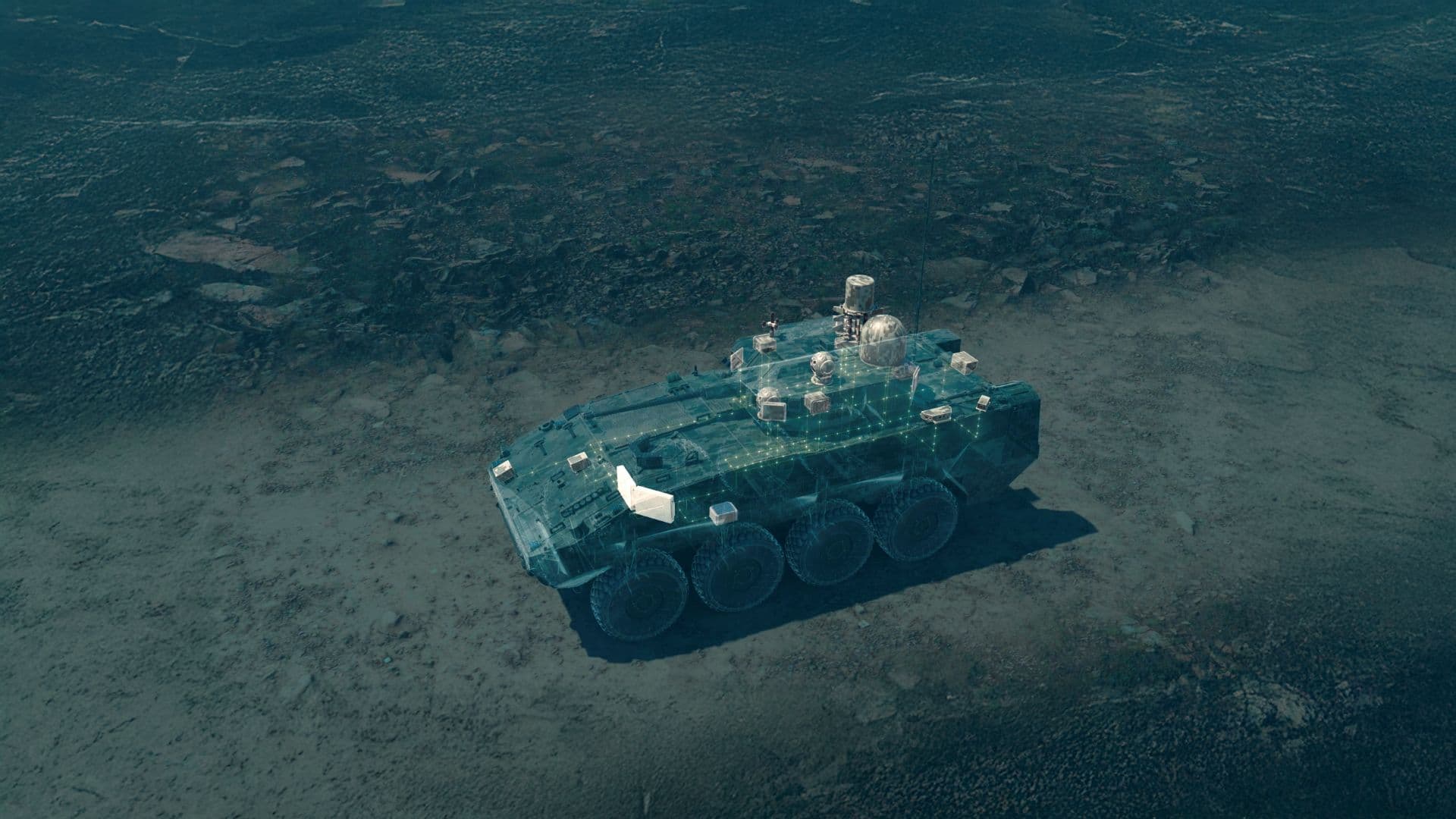
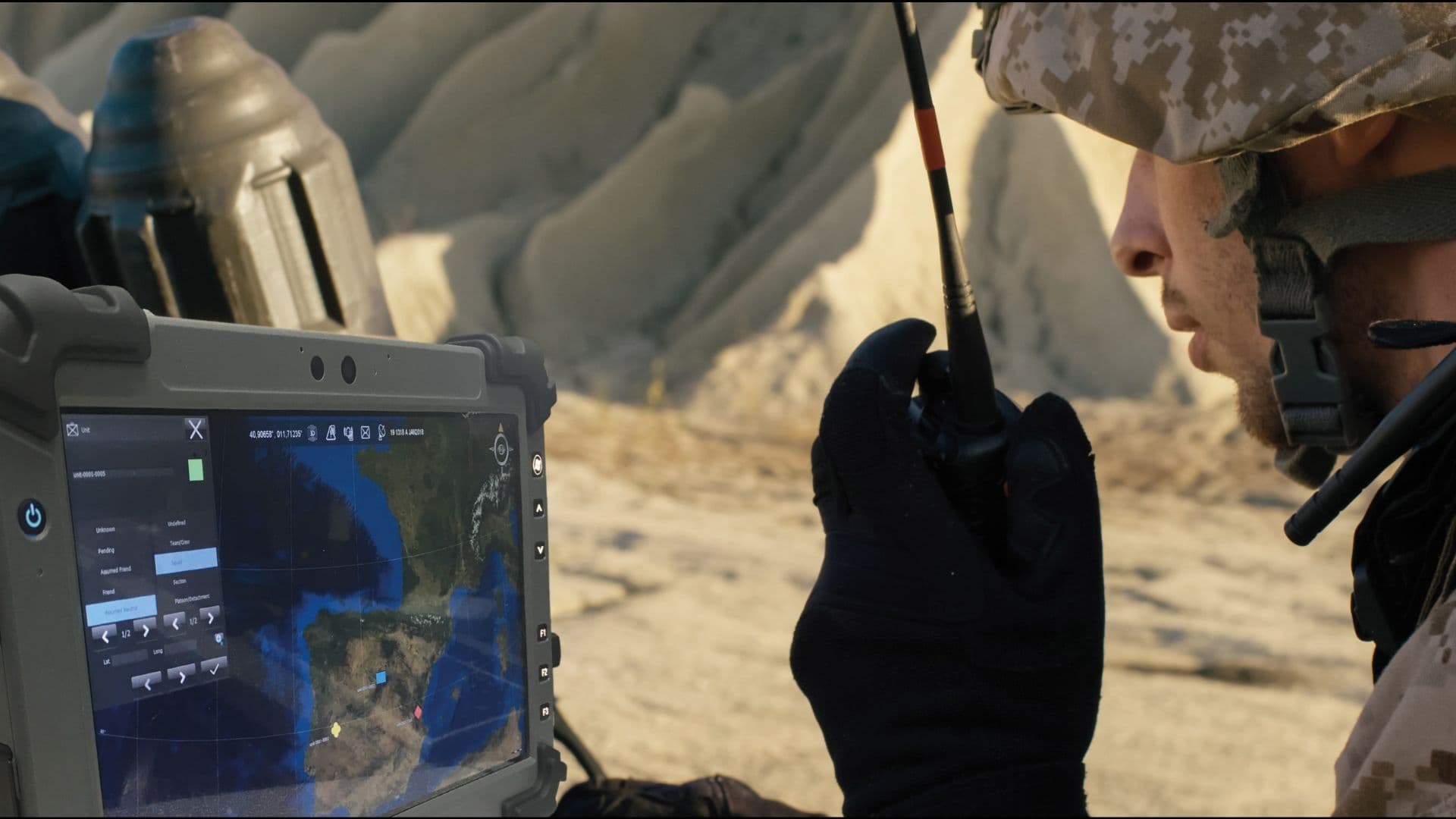
Modern wars have made it clear that tanks must remain—provided they adapt to new requirements such as electronic warfare and data networks to enhance reconnaissance and precision, as well as agile logistics and efficient maintenance systems.
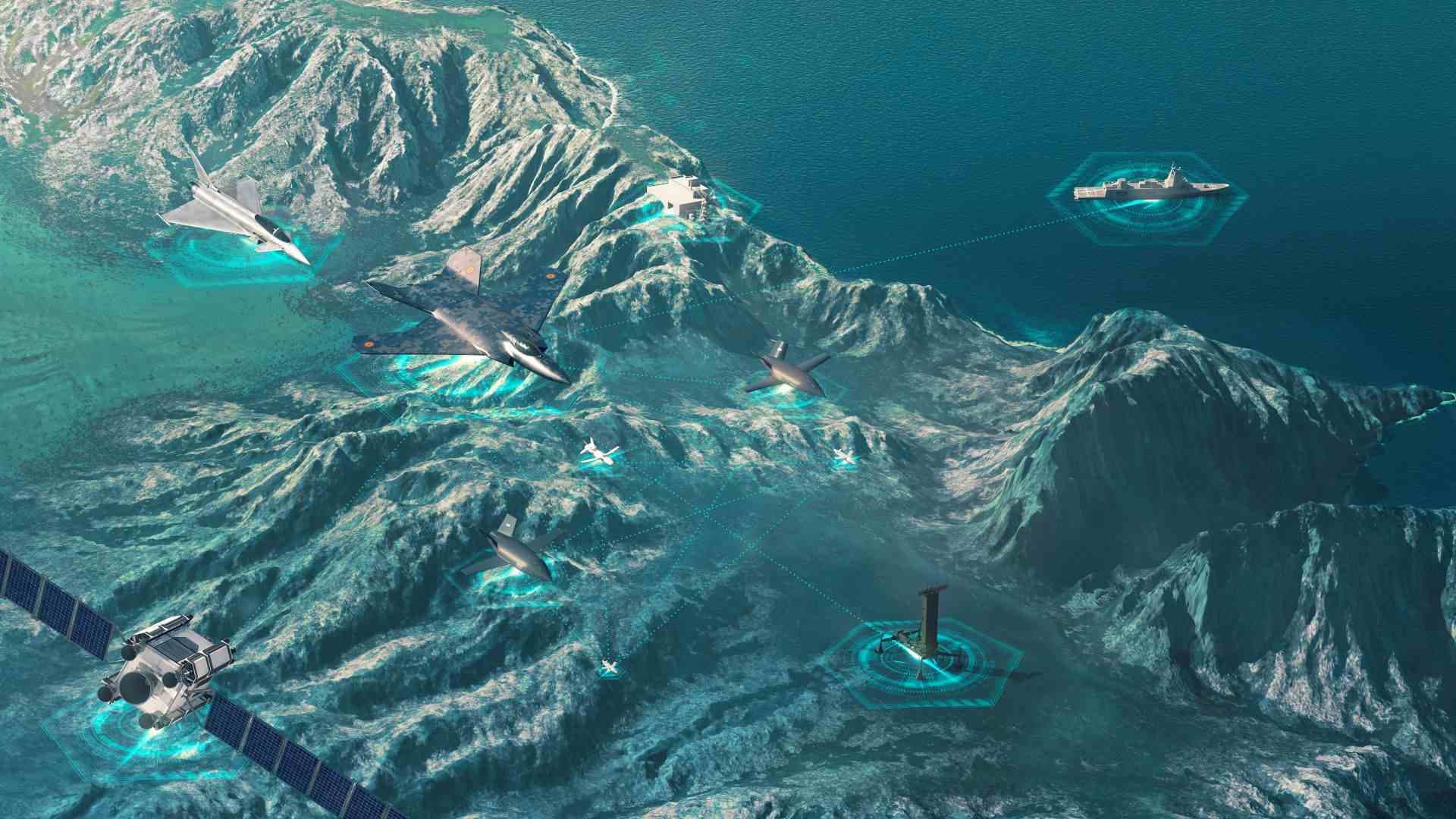
All this points to an evolution towards multi-domain warfare, where the digital and physical converge, and traditional tanks gain new life through advanced technology.
The future of tanks: continuous evolution and adaptation
Current conflicts have shown that, although tanks face real threats such as armed drones, modern anti-tank weapons, and urban combat, they remain fundamental elements in military operations.
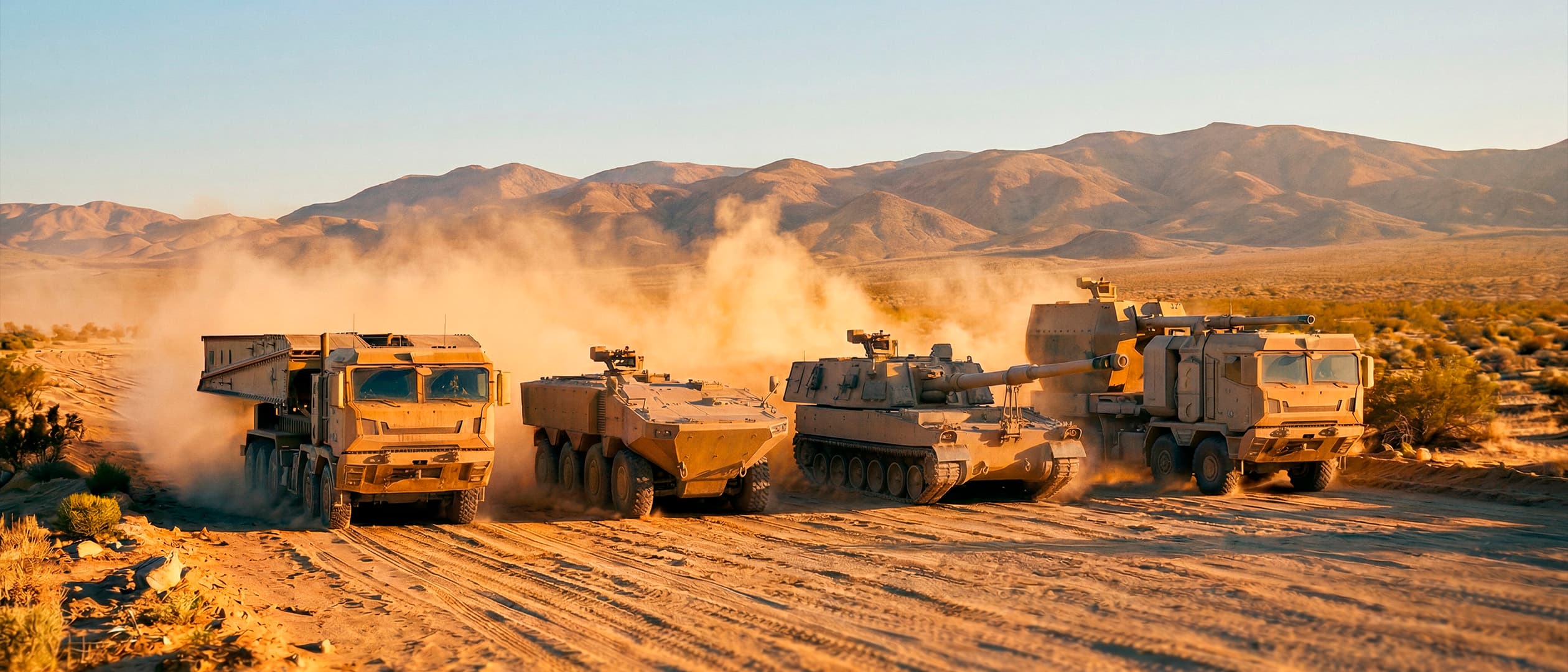
In this context of military transformation, Indra has taken a decisive step towards the manufacture of combat vehicles with the creation of a new and vehicle subsidiary, Indra Land Vehicles, aimed at increasing its capabilities to cover the entire process: design, production, assembly, systems integration, commissioning, delivery, and maintenance.
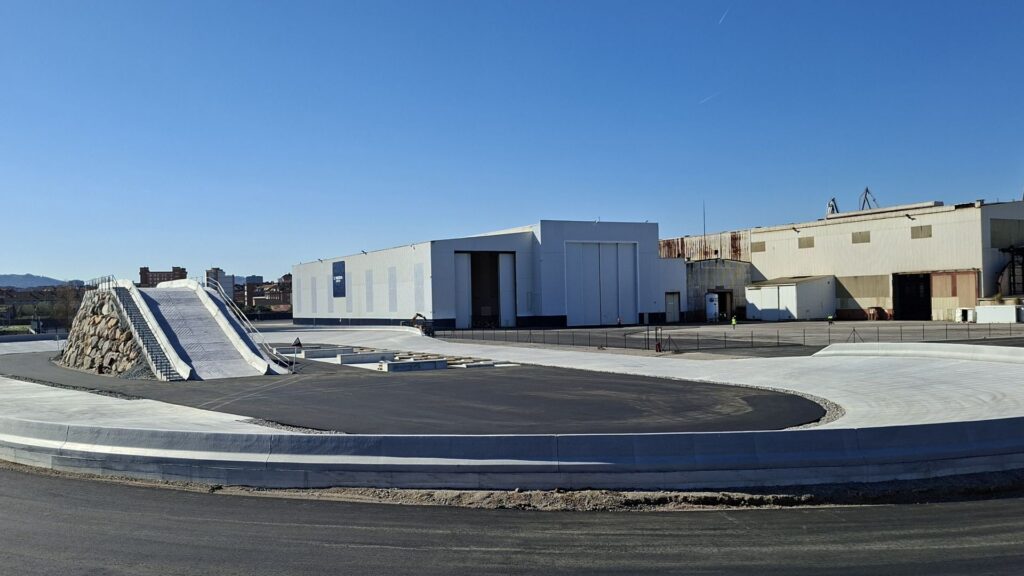
Indra is working on opening a new centre in Asturias that will concentrate the production of armoured vehicles demanded by the Spanish Army and other European countries. As part of this commitment, Indra has acquired the facilities known as El Tallerón in Gijón, Asturias (below these lines, with the test track clearly visible in the foreground), which will provide a significant boost to the national industrial fabric.
Throughout history, each new threat has forced tanks to reinvent themselves: improvements in armour, active protection, smart munitions, or, more recently, anti-drone systems. This cycle of evolution does not stop.
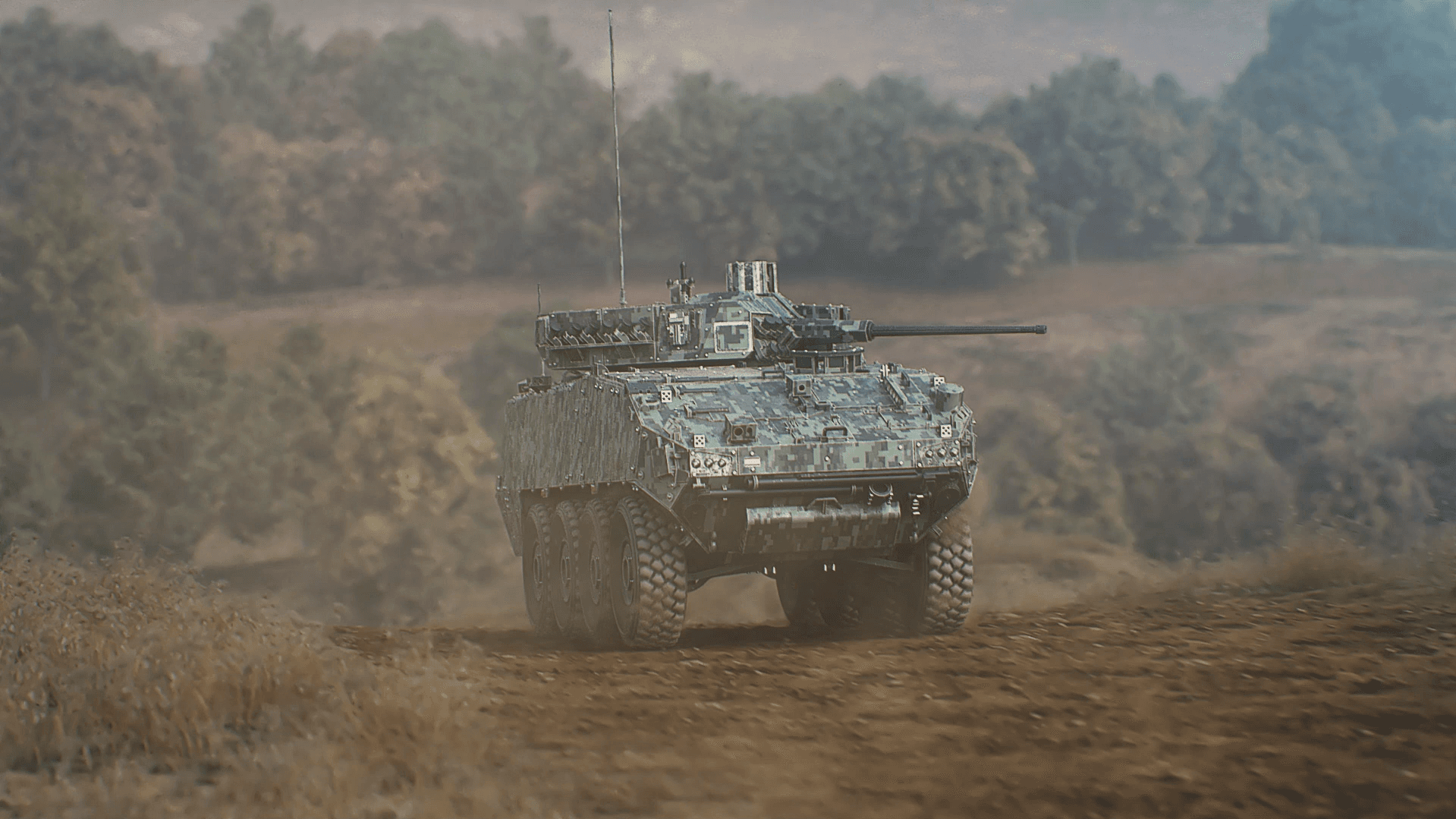
The future of these vehicles lies in their integration into digital environments, where artificial intelligence, sensors, data networks, and advanced materials converge. Far from disappearing, tanks are being reborn as mobile nodes in multi-domain warfare.
In this process, Indra is set to play a key role. With the creation of Indra Land Vehicles, we embrace the challenge of leading a new generation of European armoured vehicles. It is not just about manufacturing tanks, but about designing technological platforms capable of operating in the battlefields of the future.
With strategic vision and innovation, Indra will be part of that future.
The wars we are witnessing today have made it clear that main battle tanks must remain, provided they adapt to new requirements such as electronic warfare and data networks to enhance reconnaissance and precision, as well as having agile logistics and efficient maintenance systems.
Recommended for you
Related Articles