How is an armoured carrier manufactured? Is it like producing a car?
Development requires a highly specialised engineering process, making each armoured vehicle a unique piece
4 reading time

Both an armoured carrier and a car have wheels, take you from point A to point B, and move on land. They even share other elements such as a steering wheel, engine, transmission, and suspension system, among many others. That’s where the similarities end, because a tank and a car are two very different types of vehicle.
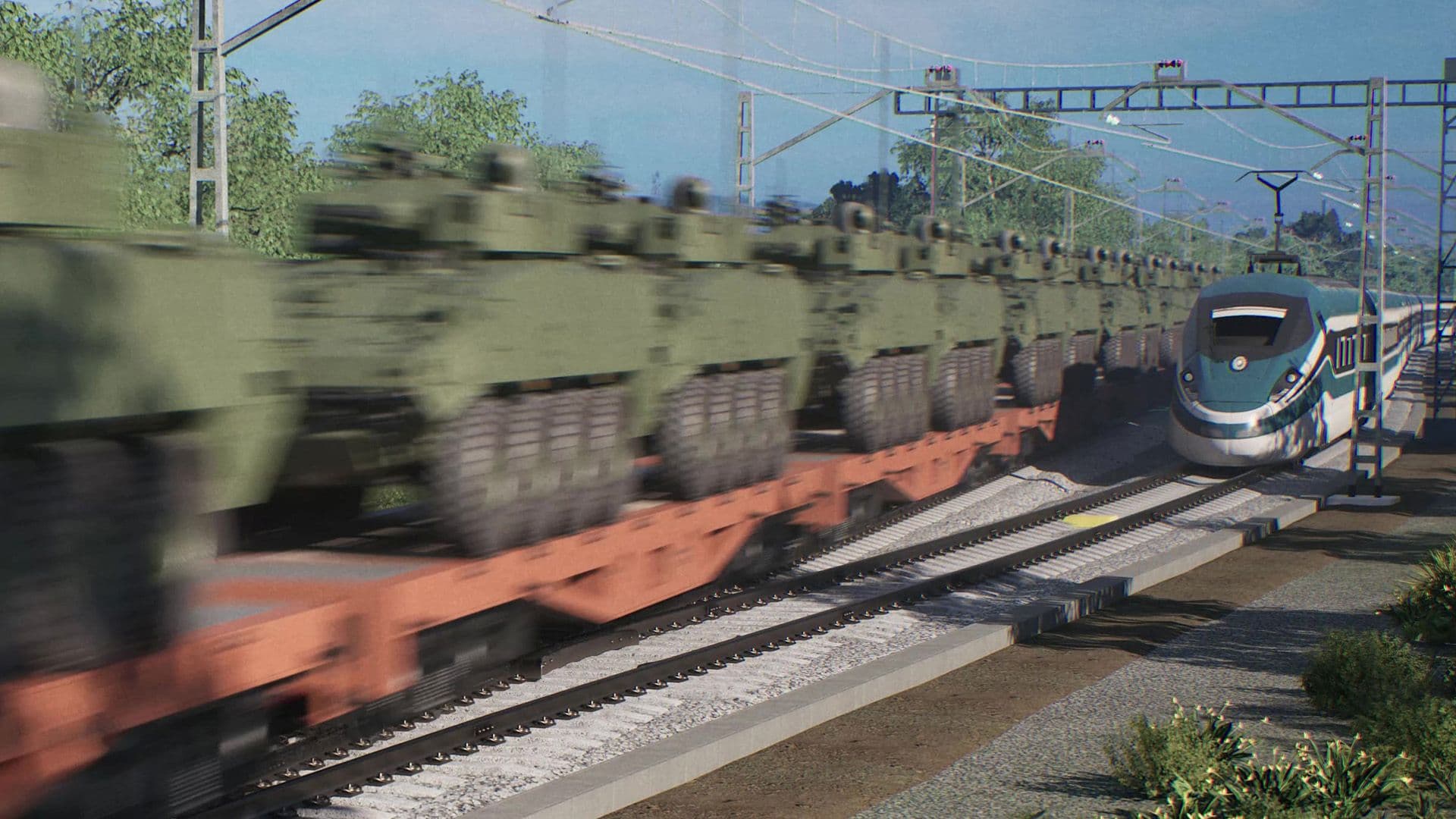
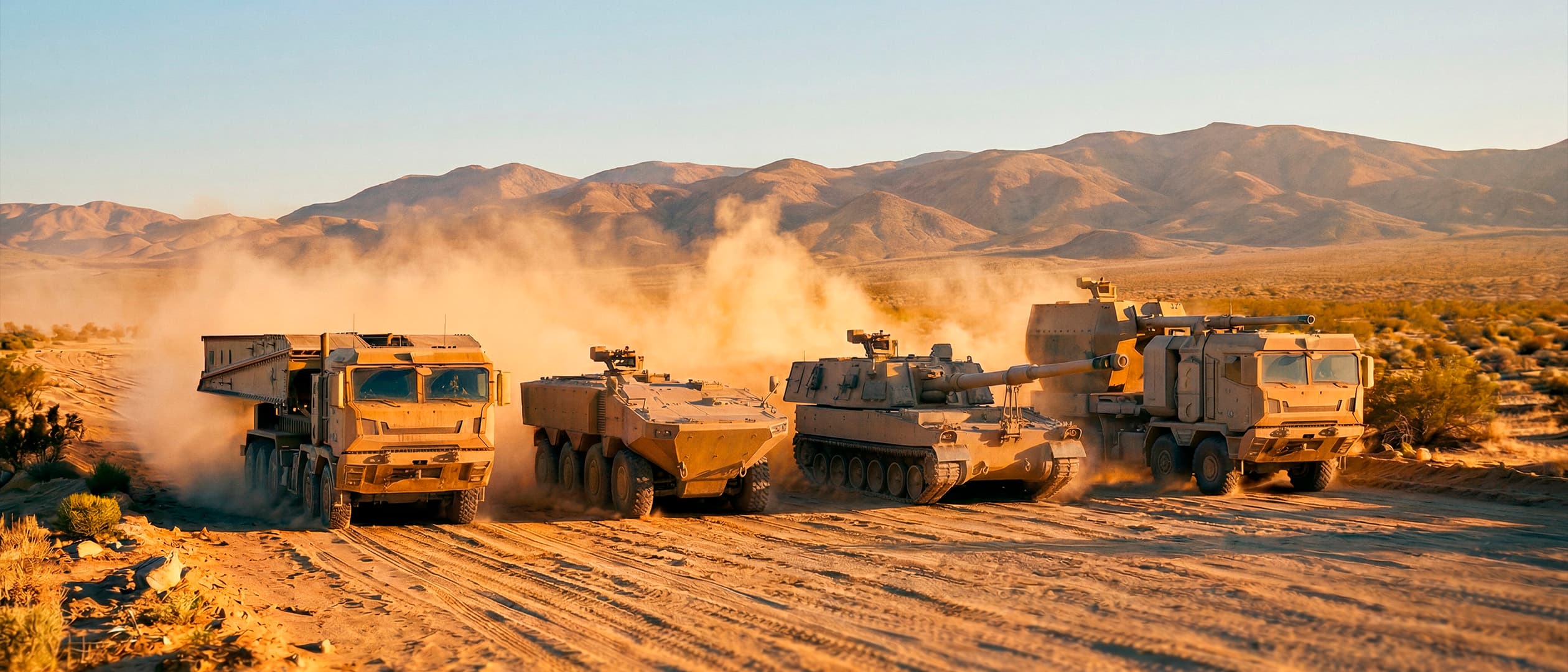
Unlike the mass production and standardisation typical of the automotive industry, the defence industry continues to prioritise precision and technological customisation. It is not just about manufacturing vehicles, but designing them to meet the specific demands of each environment, turning their production into an almost artisanal task.
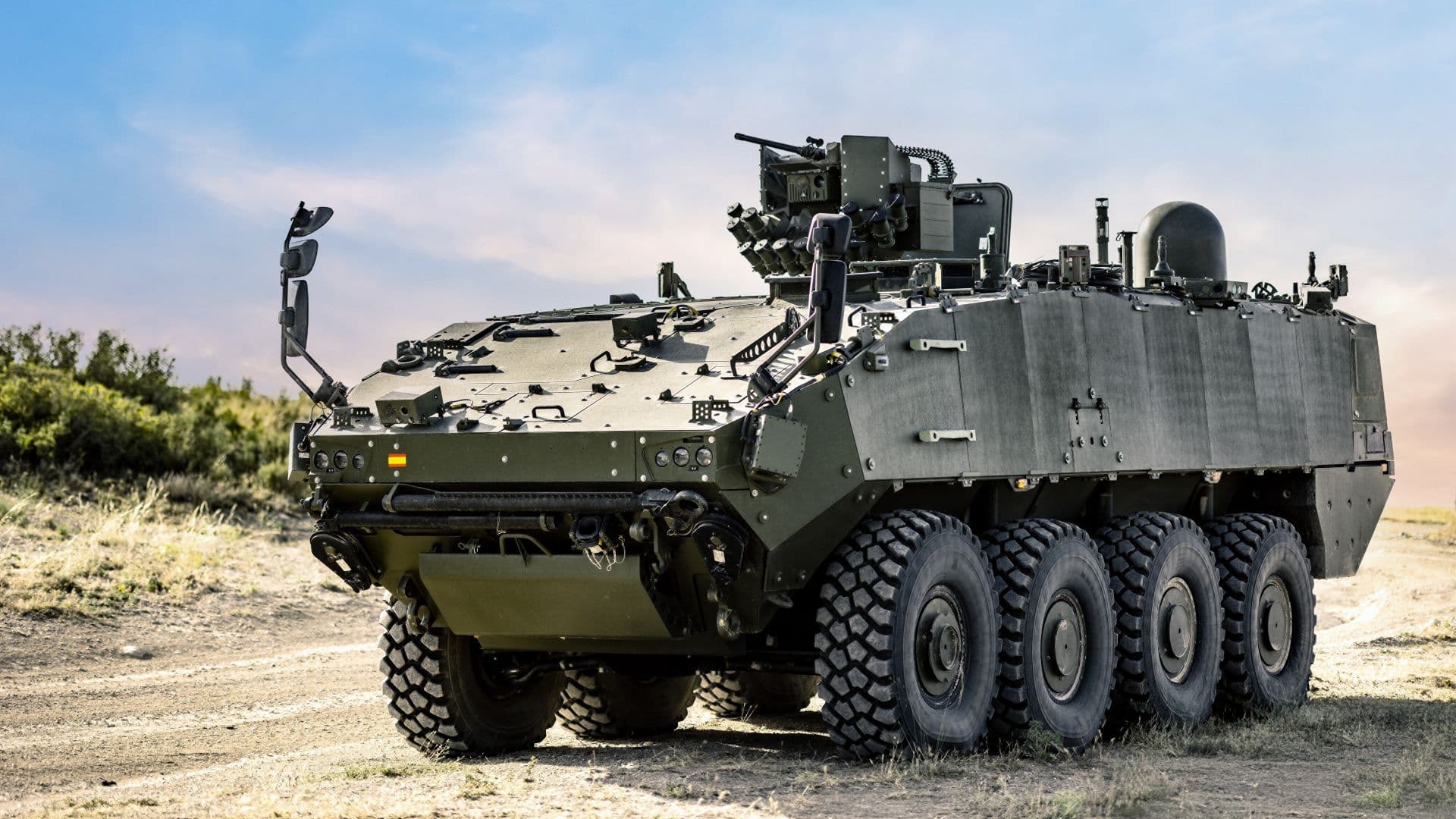
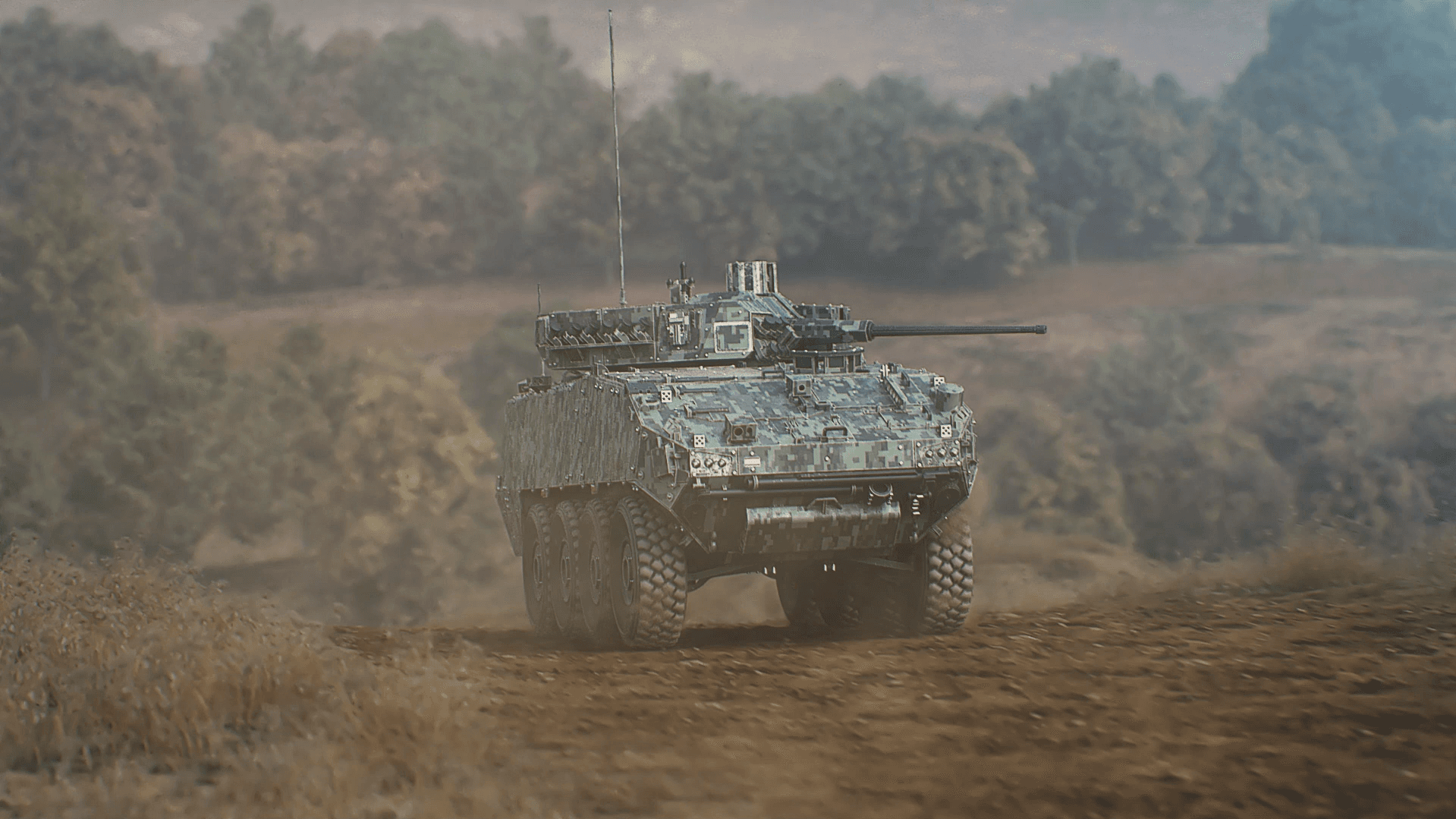
Building an armoured carrier is not simply about armouring a vehicle with steel. It involves designing and developing a high-protection tactical platform with large-calibre firepower, integrating complex systems from modern models. Moreover, it must be tailored to the profile and needs of each army.
This development as a multifunctional platform requires a highly specialised engineering process, making each armoured vehicle a unique piece and moving away from the concept of mass production that characterises traditional vehicles.
The complete lifecycle of an armoured carrier
The development of an armoured carrier is a complex process that begins with a design phase that can last for months. During this stage, operational, logistical, and technological requirements are defined down to the last detail, according to the environment and missions in which the vehicle will be deployed.
Thanks to advanced tools such as 3D modelling, digital twins, and real-time threat simulation, it is possible to validate the design virtually before manufacturing any component. This not only allows errors to be detected early but also enables the armour to be adapted to the specific challenges of the terrain.
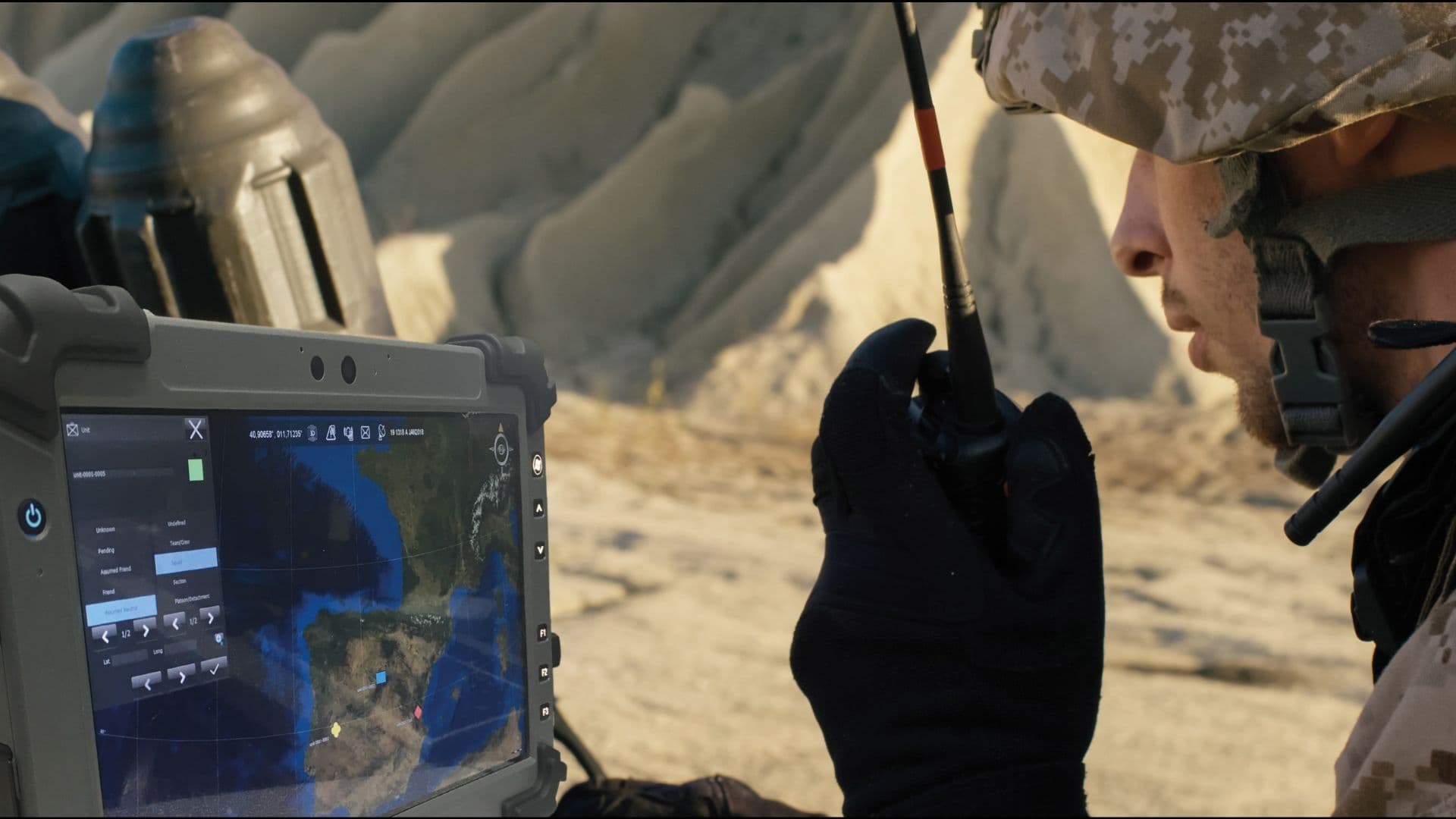
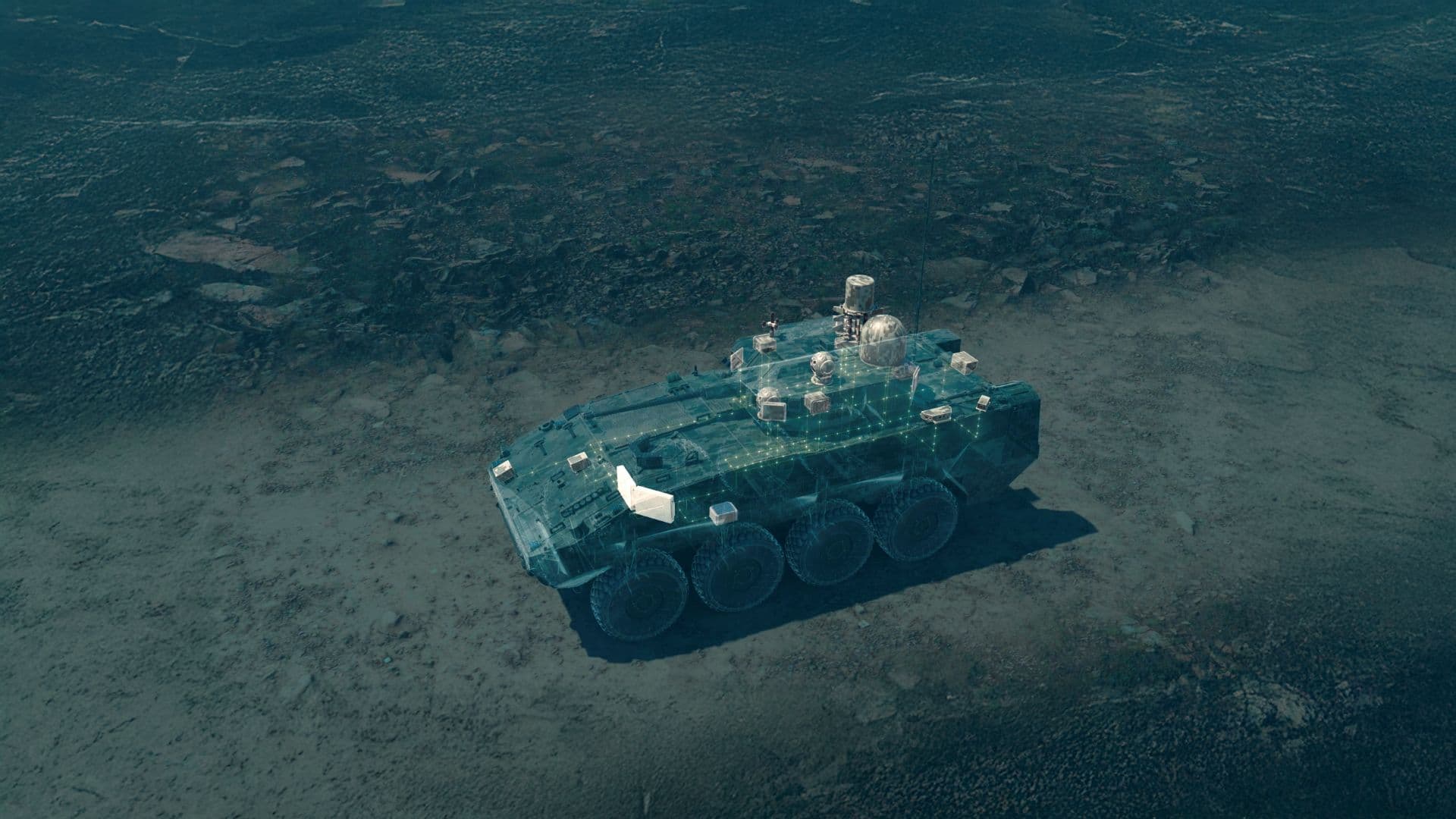
After the design stage comes one of the most sophisticated phases: systems integration. This is where the armoured carrier ceases to be a mechanical structure and becomes a connected platform. High-sensitivity perimeter sensors, thermal and night vision, GPS-free tactical navigation, encrypted communications, active protection against drones or guided threats… everything must work in a coordinated manner and in real time.
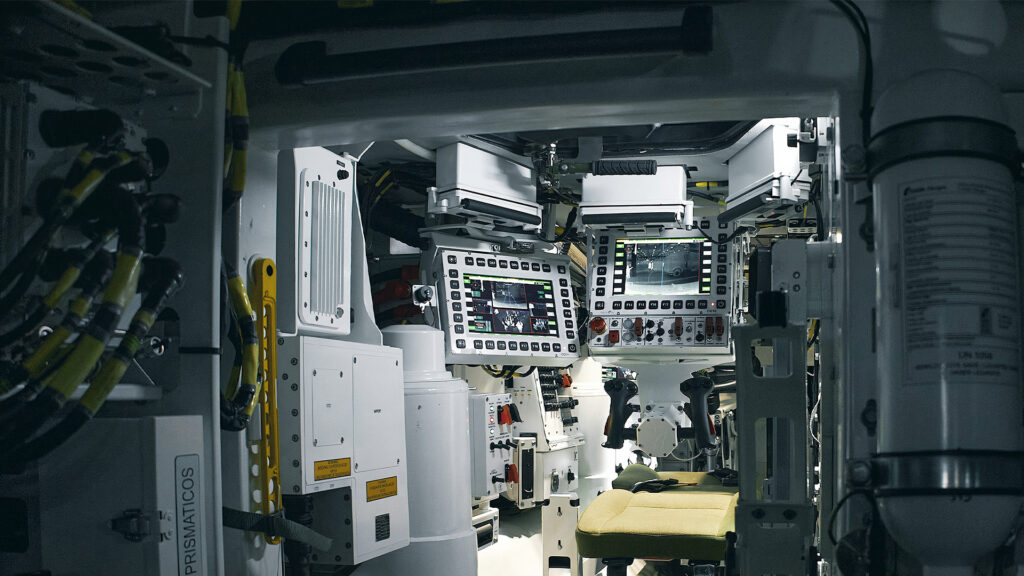
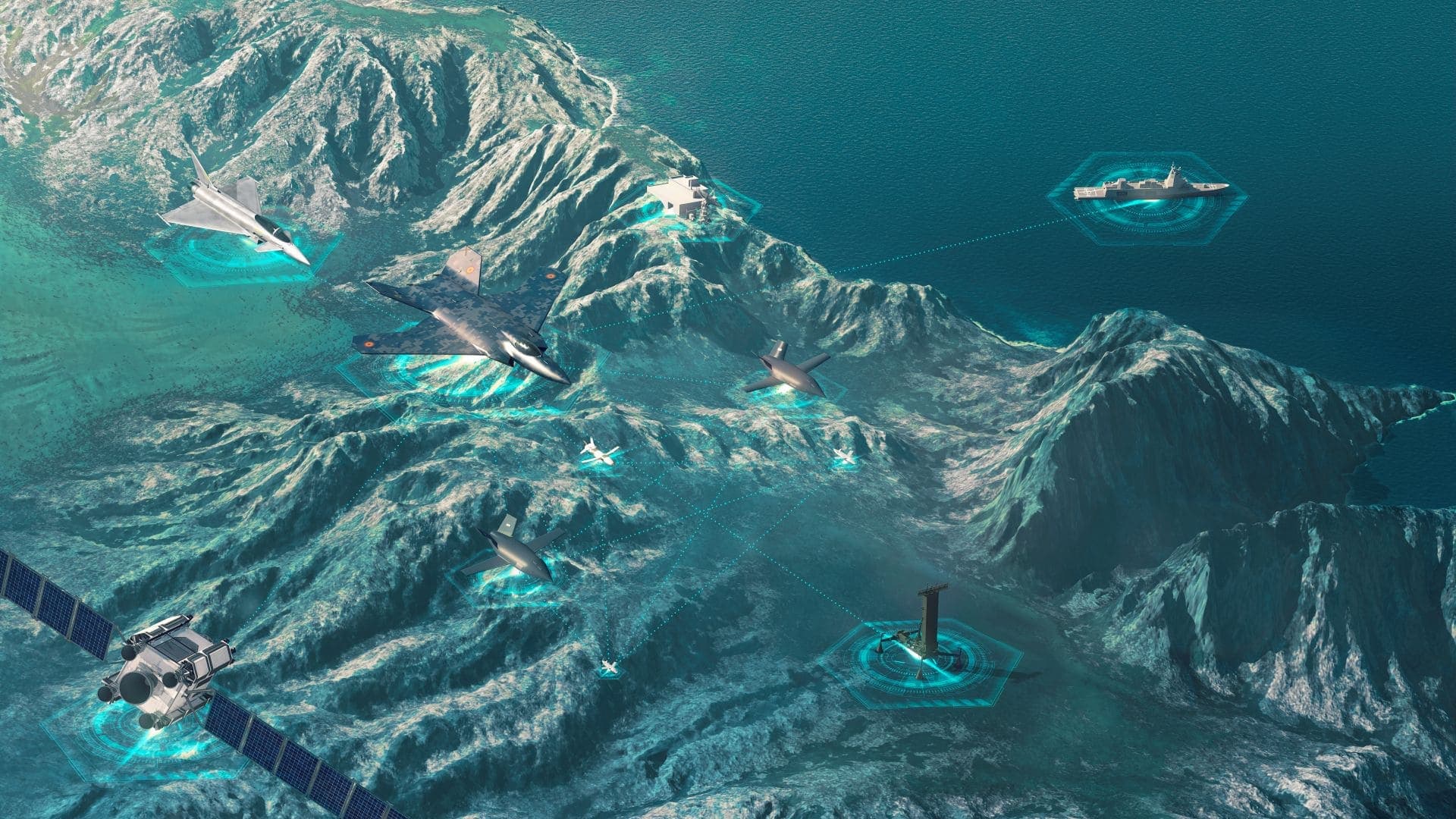
Interoperability is critical, as the different systems (weaponry, sensors, communications, etc.) must operate in synergy, feed each other with data, and connect with other units. This modular, connected architecture turns the armoured vehicle into an intelligent node on the battlefield.
Only after passing exhaustive functional tests and operational validations is the vehicle customised for its destination unit, ready for definitive incorporation into the tactical environment.
Indra Land Vehicles: driving industrial growth
The creation of the Land Vehicles division positions Indra as a leading company in the production, evolution, and lifecycle maintenance of wheeled and tracked military vehicles. This is a natural step for a company that is already Europe’s leader in developing technological solutions and systems for land platforms.
As part of a strategy focused on national technological sovereignty, the main objective of Indra Land Vehicles is to manufacture next-generation armoured vehicles on national soil, maintaining knowledge and authority over their design. These vehicles must be capable of operating in the most demanding environments, incorporating cutting-edge electronic systems, real-time command and control capabilities, and enhanced crew safety.
Today’s international context, marked by growing geopolitical instability, has made the modernisation of national land capabilities a priority mission for every nation. This evolution in tactical needs also means an evolution in armoured vehicles. Platforms must be increasingly versatile and technologically advanced to operate at any time and in the most challenging environments.
With the creation of this new division, Indra takes a decisive step towards modernising land combat and reinforces its role as a driver of a more autonomous, resilient, and technologically sovereign national defence.
The development of an armoured carrier is a complex process that begins with a design phase that can last for months. During this stage, operational, logistical, and technological requirements are defined down to the last detail, according to the environment and missions in which the vehicle will be deployed.
Recommended for you
Related Articles